Short answer: property brokers in India commonly charge the seller 1% to 2% of the sale price, so on land worth ₹50 lakh you would pay ₹50,000 to ₹1 lakh, and more on larger sales. Selling without a broker saves that commission, but you take on the broker's work: getting the documents ready, pricing the land, showing it to buyers, checking which buyers are serious, and handling the advance and registration safely. This guide shows what each part involves and costs.
What a broker's commission adds up to
| Sale price | At 1% | At 2% |
|---|---|---|
| ₹25 lakh | ₹25,000 | ₹50,000 |
| ₹50 lakh | ₹50,000 | ₹1 lakh |
| ₹1 crore | ₹1 lakh | ₹2 lakh |
| ₹2 crore | ₹2 lakh | ₹4 lakh |
Rates vary by town and by broker, and many brokers also charge the buyer. Whatever you agree, put the rate and when it is due in writing before the broker starts.
What a broker does, and how to do it yourself
| Broker's job | Doing it yourself |
|---|---|
| Finds buyers | List the land online where buyers search, tell your local network, and reach buyers in nearby cities. |
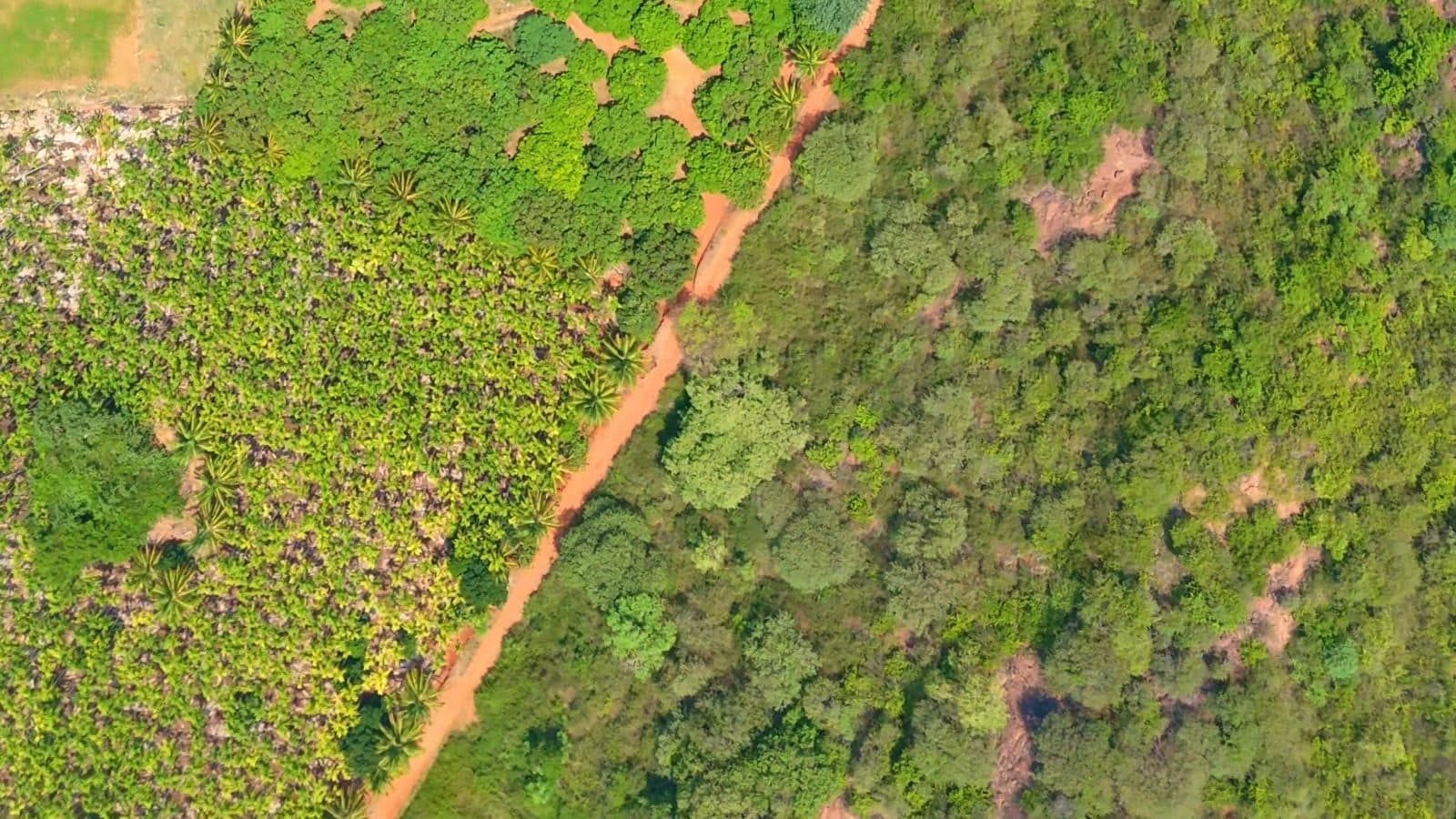
| Shows the land | You or a family member meets buyers at the land. A good video of the boundaries, road and water source cuts down wasted trips. |
| Checks buyers | Ask each buyer how and when they will pay before you spend time on visits. |
| Negotiates the price | Know the guideline value and the going price per acre before the first call, and decide your lowest price in advance. |
| Handles paperwork | A lawyer or document writer drafts the sale agreement and the sale deed. |
To price your land, our agricultural land value calculator gives district prices per acre across India.
What selling without a broker still costs
- Documents: the encumbrance certificate, certified copies of old deeds, and a legal heir certificate if you inherited the land all carry small government fees.
- Lawyer or document writer: fees vary, so agree the amount before they start. A title check is usually paid for by the buyer.
- Stamp duty and registration: usually paid by the buyer. In Tamil Nadu a sale deed carries 7% stamp duty and a 2% registration fee on the guideline value or the price, whichever is higher.
- Marketing: listings, photos and video, if you pay for them.
- Your time: calls, visits and follow-ups. This is the biggest cost of doing it alone.
How to stay safe without a broker
- Never hand over original documents before you are fully paid. Share copies.
- Take the advance and the balance by bank transfer or demand draft, and confirm the money is in your account before you sign the sale deed.
- Do not sign blank papers, and do not give a power of attorney to someone you do not know well.
- Be wary of anyone who asks you to pay a fee before they buy, or who offers far above the going price.
- Meet buyers at the land with a family member, and check their ID.
When a broker is worth paying
A local broker can earn their commission if you live far from the land and cannot show it, if the title needs fixing and they know the local offices well, or if you need a quick sale to a buyer they already have. For most owners with clear documents, the commission buys little that you cannot do yourself.
Selling in Tamil Nadu?
Our step by step guide on how to sell agricultural land in Tamil Nadu covers the documents, the guideline value and registration, and our patta transfer guide covers what happens after the sale.
Sell with Gmore: no broker, no commission
Gmore films your land professionally, lists it, and buyers searching nearby call you directly. You pay a flat fee, shown before you pay, and zero commission however high the sale price. Sell your land with Gmore, without a broker, or post it from the Gmore app. For land in Tamil Nadu, see selling land anywhere in Tamil Nadu with Gmore.
This guide is general information, not legal or financial advice. Commission rates and fees vary, so confirm them in writing before you agree. Last updated October 2026.