
 Get the app
Sell with Gmore
Selling inherited or ancestral property: what to do first
From ₹8,999. Zero commission.
We film your property
Verified buyers near you are alerted
- properties sold
- 1,200+
- average time to sell
- 45 days
- verified buyers
- 100,000+
All time, offline and in the Gmore app.
Where is your property?
We film properties in India and abroad. The town or area is enough.
Takes about 3 minutes
Where is your property?
We film properties in India and abroad. The town or area is enough.
Which number should we call?
We send a code to check it.
By continuing you agree to the Terms and Privacy Policy.

Also on the Gmore app
Sell from the app with the same account and the same fee, and see every enquiry on your phone.
To sell property you inherited, first get the death certificate and a legal heir certificate or the will, and have the land or property record changed to the heirs' names. Every heir with a share then signs the sale deed, or gives up their share to the heir who sells by a registered release deed. After that it sells like any other property: Gmore films it, lists it with the video and alerts buyers searching nearby, and buyers contact you directly. There is no commission: the fee to start is from ₹8,999 including GST, set for your property and shown before you pay, then ₹999 a month after the first month while it stays listed. If it is not sold in 18 months, you get a full fee refund, minus GST.
Recently sold on Gmore
 Sold
Sold₹6.55 Cr
Namakkal
 Sold
Sold₹6.05 Cr
Salem
 Sold
Sold₹3.65 Cr
Trichy
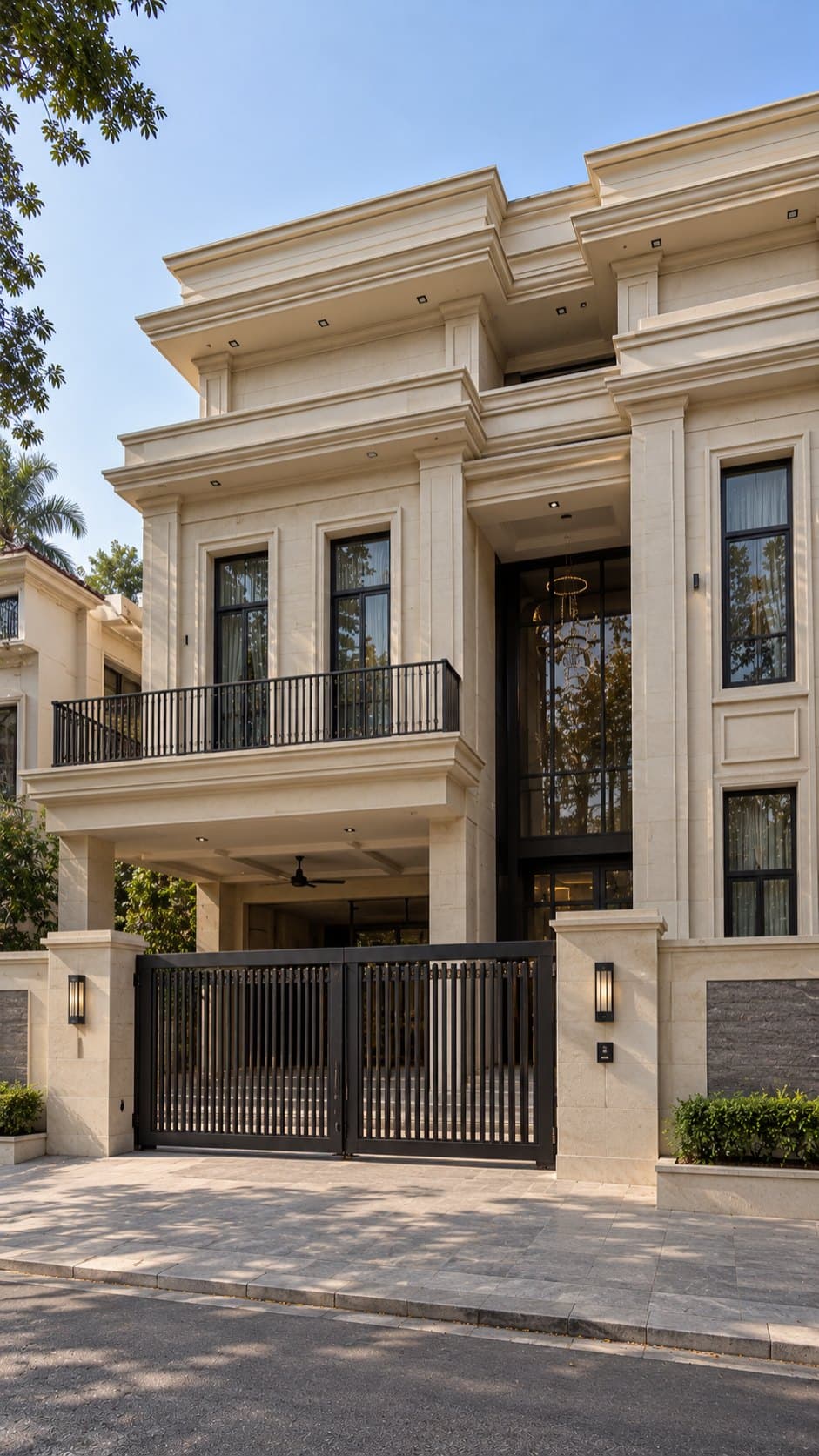 Sold
Sold₹12.5 Cr
Chennai
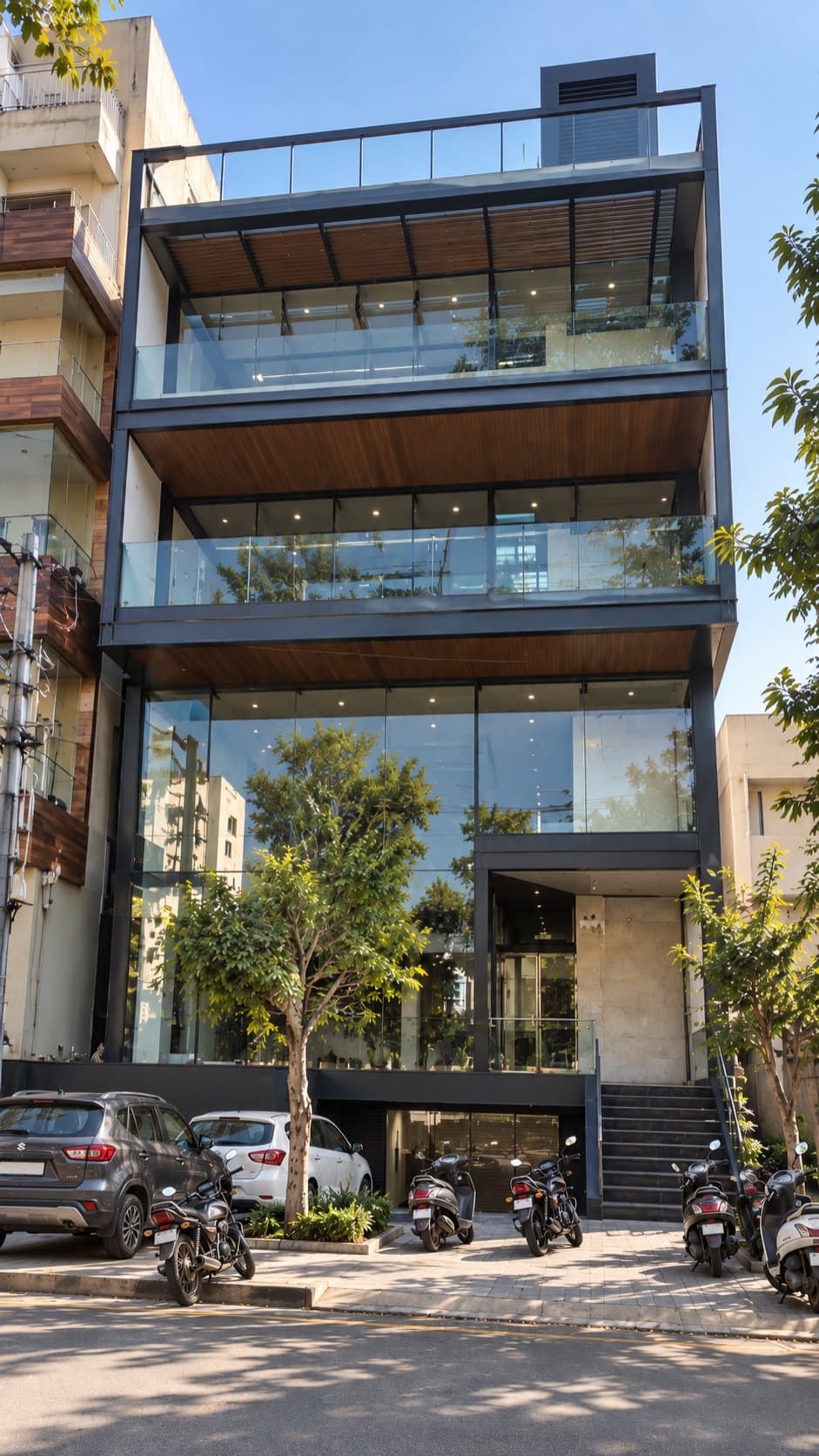 Sold
Sold₹9 Cr
Coimbatore
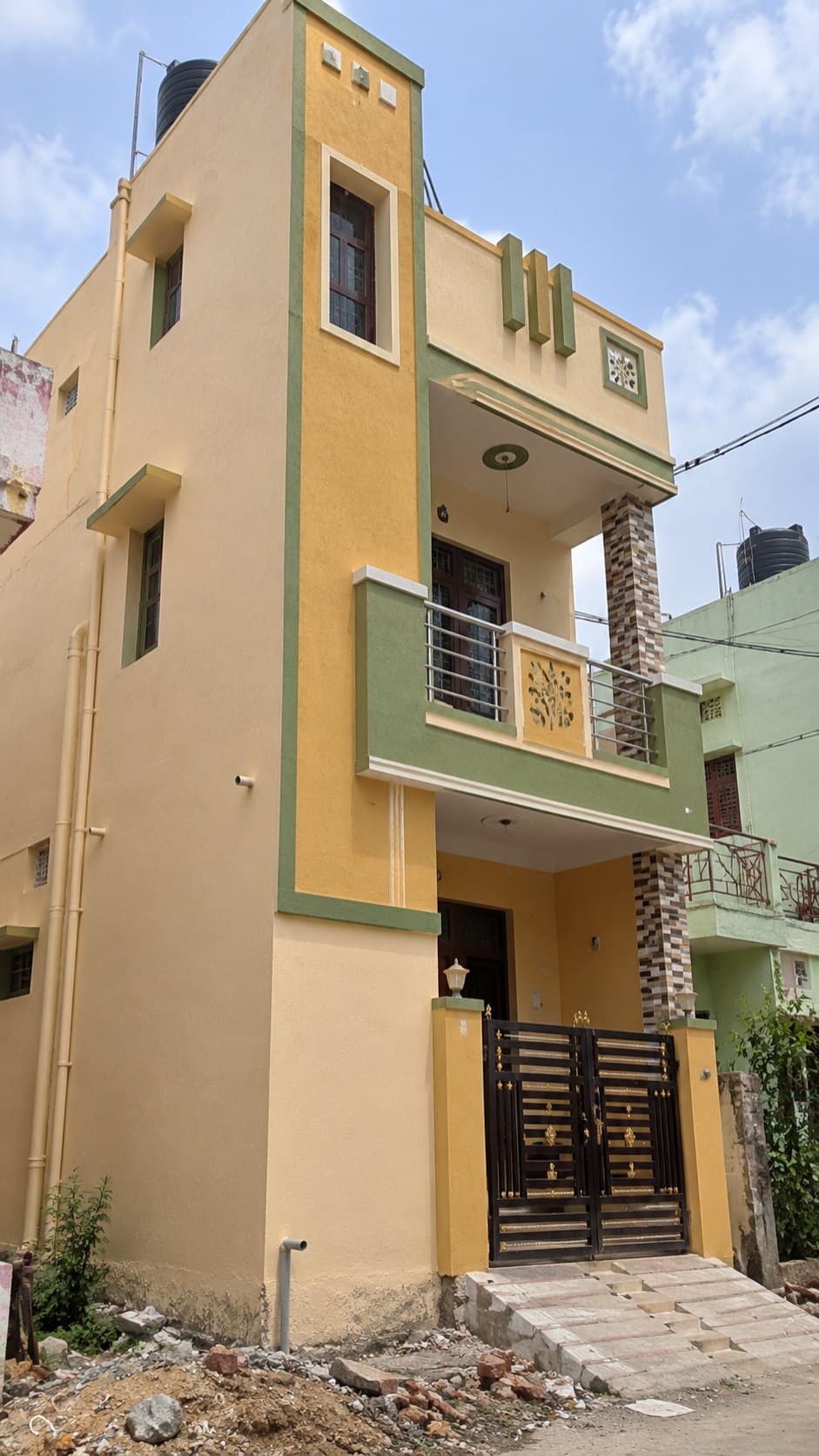 Sold
Sold₹47 Lakhs
Vellore
 Sold
Sold₹23.5 Cr
Palladam
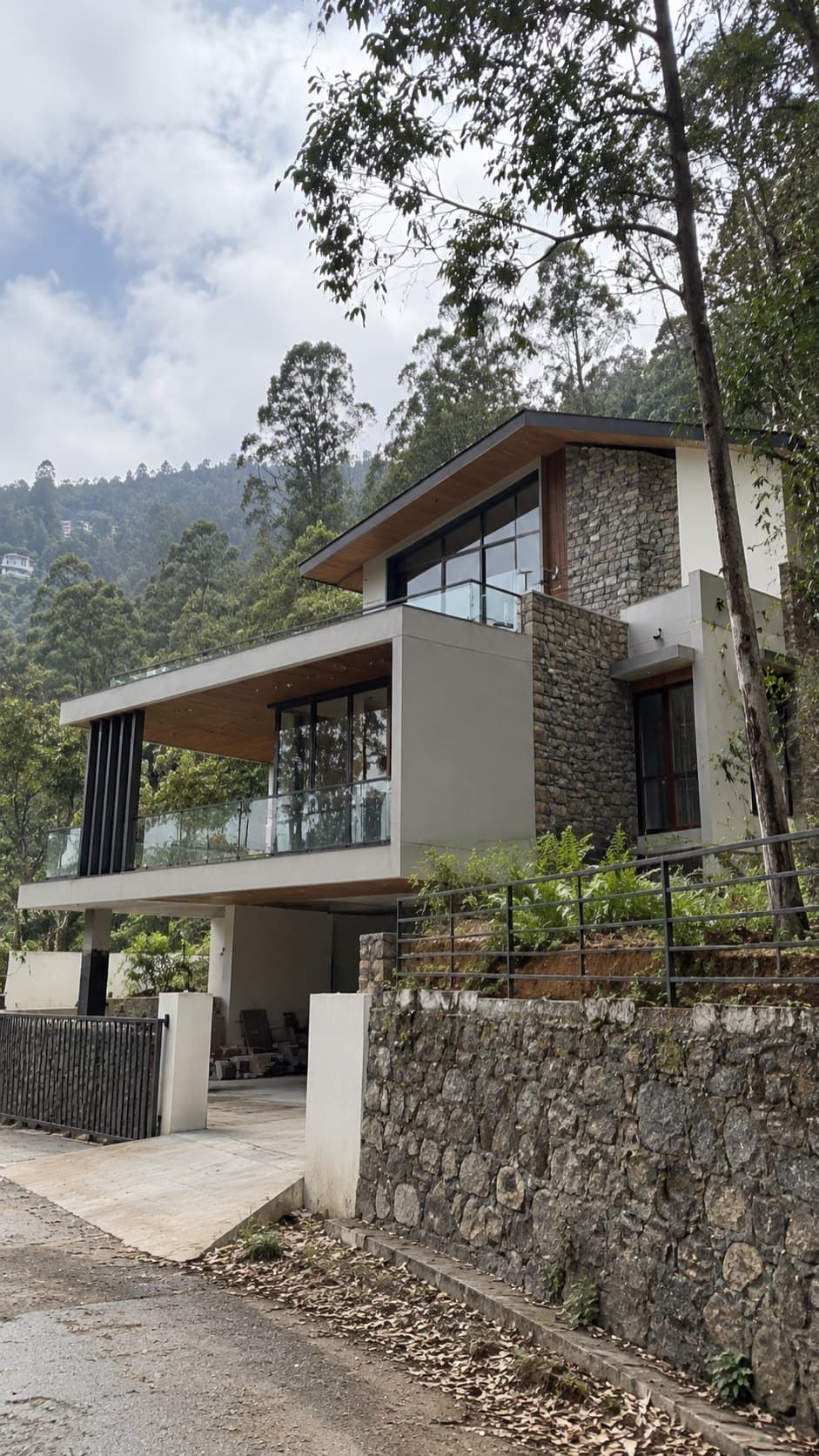 Sold
Sold₹4.3 Cr
Kodaikanal
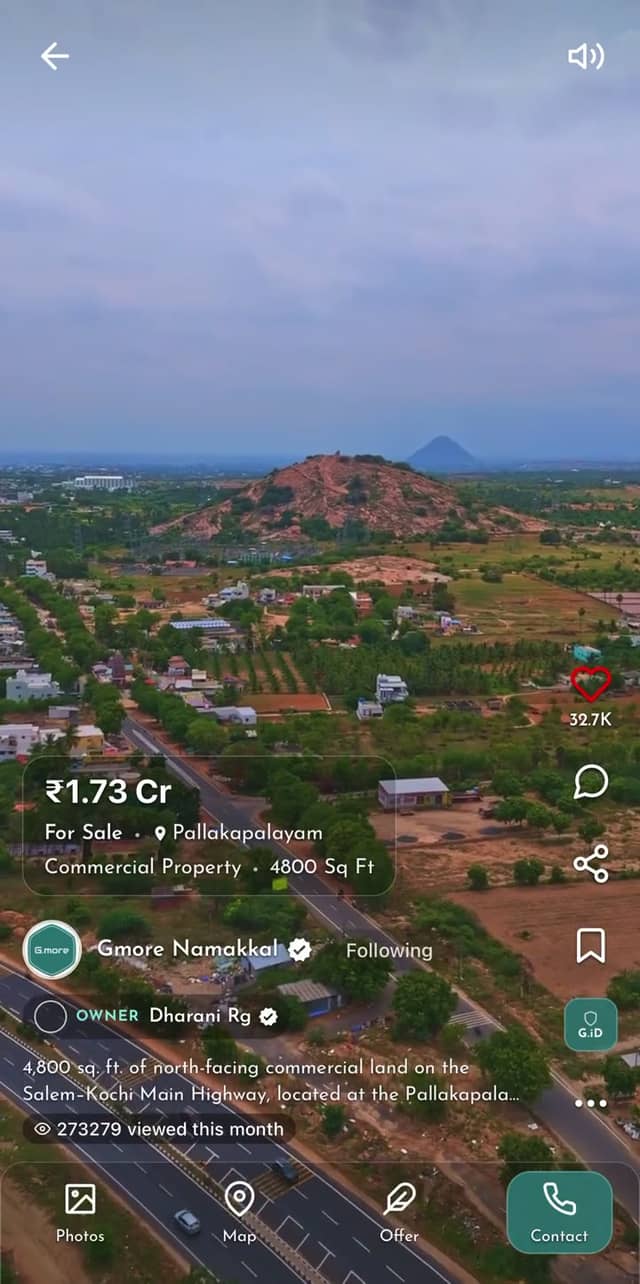
How it works
We film. We list. Buyers call you.
92%
of property buyers prefer to watch a good video before they book a site visit.
01Tell us about your property
About 3 minutes on this page. You see your exact fee before you pay.
02Your Property Advisor calls you
By the next working day, to confirm your listing details and the time to film.
03We film your property
A professional videographer films it inside and out, 10 AM to 4 PM, Monday to Saturday. You do not need to film anything.
04We list it, and buyers call you
Your video goes live on Gmore and buyers near you get an alert the moment it is live. They call or WhatsApp you directly. No agent in between.
Real properties, real owners
Recently sold on Gmore
Land, homes and commercial property sold through Gmore in the last year.
- Sold
₹6.55 Cr
14.5 acres farm land in Namakkal
Sold Oct 2026
- Sold
₹6.05 Cr
11 acres farm land in Salem
Sold Sep 2026
- Sold
₹3.65 Cr
10.5 acres farm land in Trichy
Sold Sep 2026
- Sold
₹12.5 Cr
16,000 sqft villa/house in Chennai
Sold Sep 2026
- Sold
₹9 Cr
6,300 sqft commercial property in Coimbatore
Sold Sep 2026
- Sold
₹47 Lakhs
1,500 sqft villa/house in Vellore
Sold Sep 2026
- Sold
₹23.5 Cr
60,000 sqft commercial property in Palladam
Sold Aug 2026
- Sold
₹4.3 Cr
6,000 sqft villa/house in Kodaikanal
Sold Aug 2026
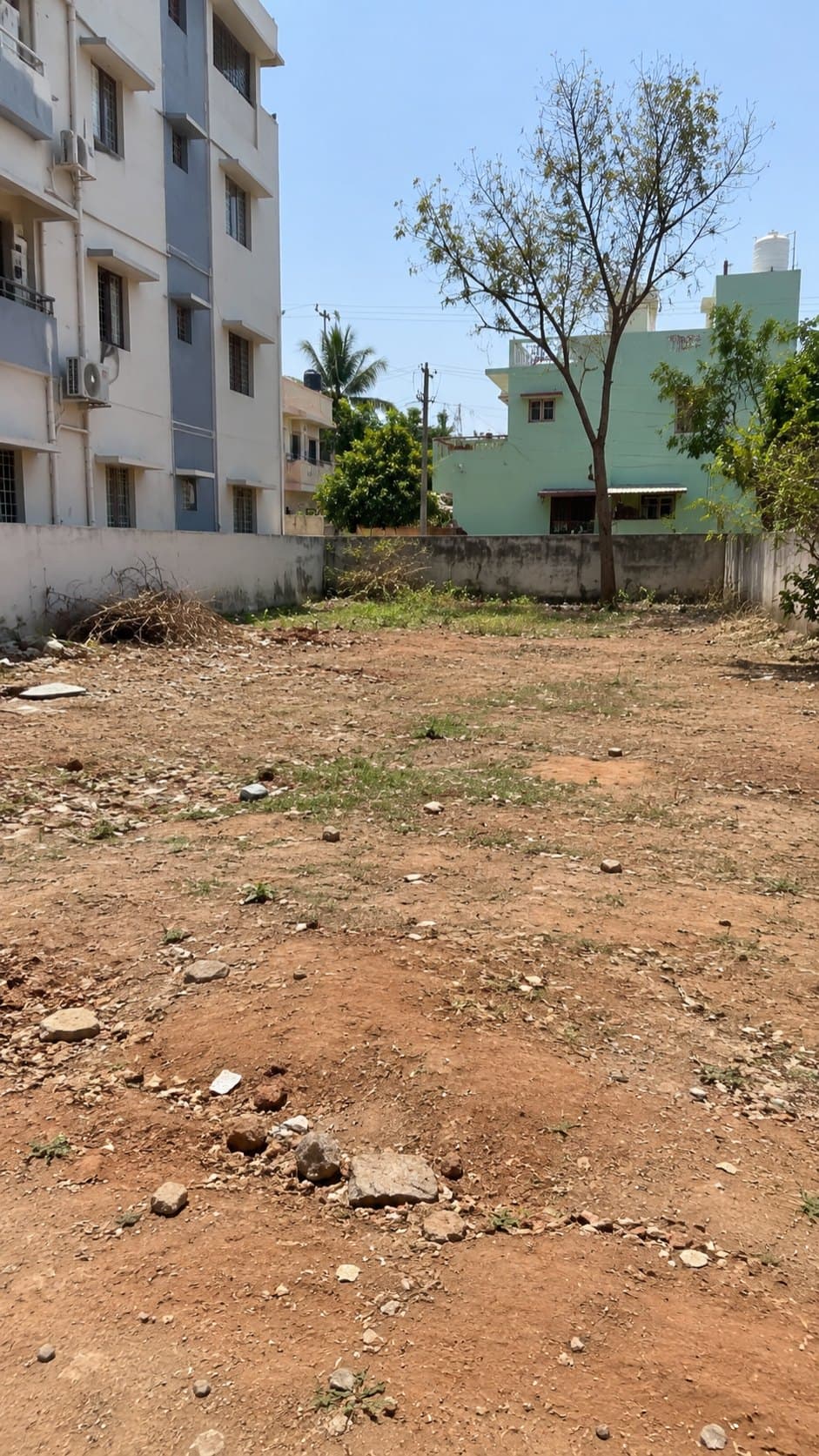 Sold
Sold₹70 Lakhs
3,000 sqft residential plot in Hosur
Sold Aug 2026
 Sold
Sold₹9 Cr
4.5 acres farm land in Nachipatti
Sold Jul 2026
 Sold
Sold₹6 Cr
45,000 sqft farmhouse in Pollachi
Sold Jul 2026
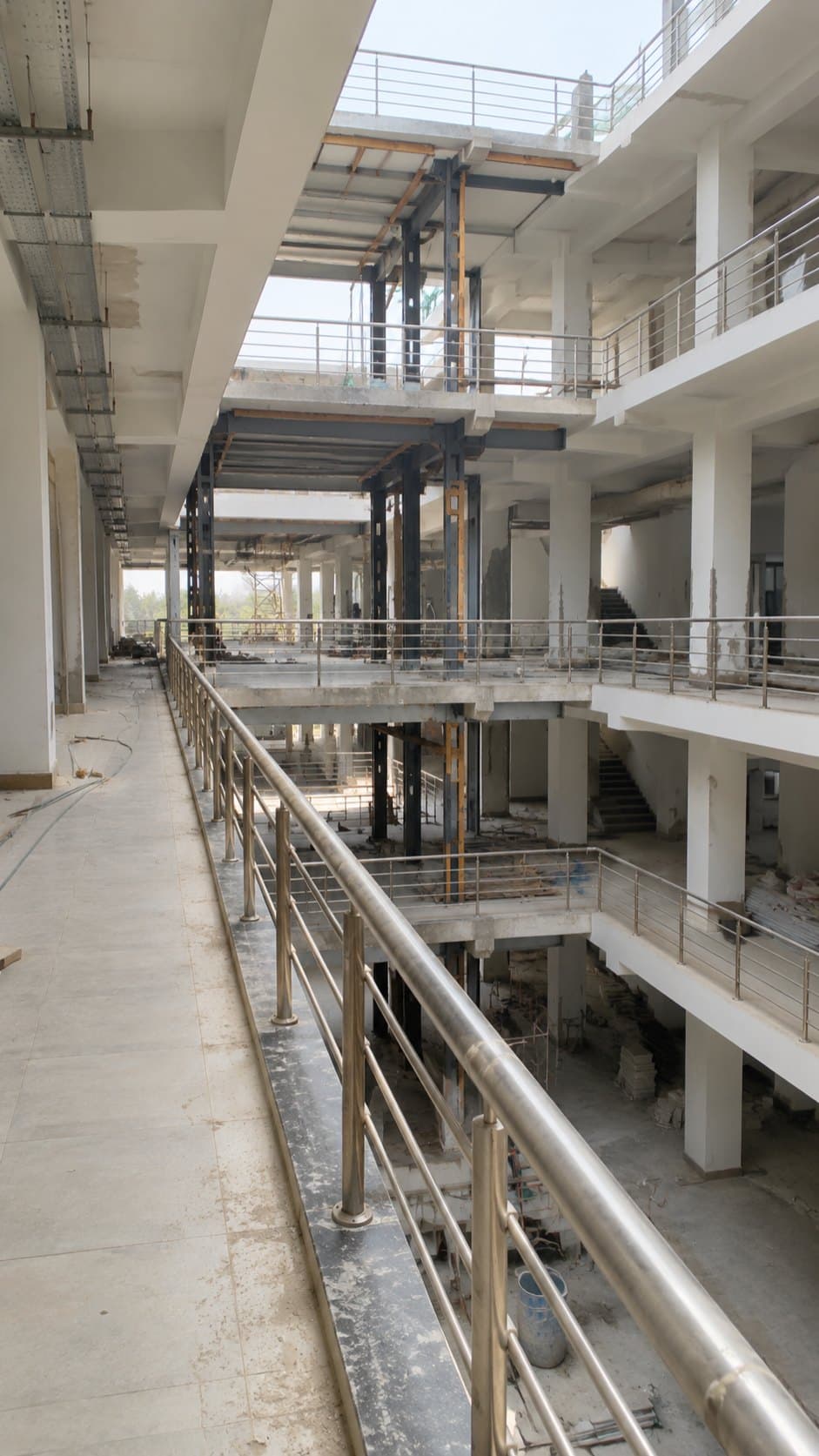 Sold
Sold₹34 Cr
21,500 sqft commercial property in Viluppuram
Sold Jun 2026
Do the sum
Keep the agent's 2%
Agents usually take about 2% of the sale price. Drag to your property's value and see what that comes to. With Gmore you pay one flat fee, shown before you pay, and zero commission however high the price.
- With an agent at 2%
- ₹1 lakh
- goes to the agent
- With Gmore
- Zero commission
- one flat fee, shown before you pay
On a property worth ₹50 lakh, an agent at 2% takes ₹1 lakh. With Gmore you pay a flat fee and zero commission.
Compare
Gmore, an agent or a listing site?
What you pay
Gmore: One flat fee to start, shown before you pay, then a monthly fee only while you keep it listed. No commission.
A local agent: Commission, usually 1 to 2% of the sale price
A listing site: A basic post, with paid plans for more reach
How buyers see it
Gmore: A professional video, filmed by our team
A local agent: Site visits the agent arranges
A listing site: Your own photos or video, or a paid photoshoot
Who finds buyers
Gmore: Buyers searching near your property, alerted when it goes live
A local agent: The agent's own contacts
A listing site: Whoever finds your post
Who takes the calls
Gmore: You, from phone-verified buyers, or Gmore takes every enquiry
A local agent: The agent
A listing site: You, from anyone
If it does not sell
Gmore: Full fee refund, minus GST, after 18 months
A local agent: Nothing to pay
A listing site: Nothing to refund
Inherited property
Selling what you inherited, step by step
Most delays in selling inherited property come from the papers and from heirs who have not agreed, not from finding a buyer. Do these in order, and the sale itself works like any other.
01
Get the death certificate
From the local body (the municipality, corporation or panchayat) where the owner died. Every later step asks for it.
02
Get the legal heir certificate, or the will
The legal heir certificate names the heirs. In Tamil Nadu the Tahsildar issues it and you apply through e-Sevai; other states issue it through the revenue office. If the owner left a will, the will governs the property it covers.
Legal heir certificate in Tamil Nadu03
Change the record to the heirs' names
Apply to the revenue office or the local body to change the land or property record: the patta in Tamil Nadu, the khata in Karnataka, the mutation entry elsewhere. Buyers and their banks check this first.
04
Agree among the heirs
Every heir with a share signs the sale deed or gives a power of attorney, or gives up their share to the heir who sells by a registered release deed. Agree in writing how the money will be split.
05
Price it and list it
Go by what similar property near you actually sold for. On Gmore, our videographer films it, and buyers searching nearby are alerted when it goes live.
06
Register the sale
The heirs, or the people holding their power of attorney, sign the sale deed with the buyer at the Sub-Registrar office.
When to see a lawyer first
- The heirs do not all agree: a partition, by a registered partition deed or through the court, divides the property so each heir can sell their own part.
- An heir is a minor: in a Hindu family, a parent needs the court's permission before selling any part of a minor child's own land or building (section 8(2) of the Hindu Minority and Guardianship Act, 1956).
- The property passed by a will that someone disputes. Probate is no longer compulsory since December 2025, but a buyer or a bank may ask for it.
- An heir lives abroad: they can sign through a power of attorney, and farm land can be sold only to a person living in India.
General information, not legal advice.
Tax when you sell inherited property
- There is no tax when you inherit.
- When you sell, the gain is worked out from what the previous owner paid, and the time they held the property counts towards yours.
- Rural agricultural land is not a capital asset, so its sale is not taxed as a capital gain.
Guides
Guides for owners
- Selling Inherited Land in Tamil Nadu: Legal Heirs, Patta and TaxRead the guide
- Tax on Sale of Property in India: Capital Gains and TDS (2026)Read the guide
- Documents Required to Sell Property in India: Full ChecklistRead the guide
- How to Sell Property in India: Step-by-Step Legal ProcedureRead the guide
Questions
Questions owners ask
How do I sell inherited property in India?
Get the death certificate and a legal heir certificate, or the will, then have the land or property record changed to the heirs' names (the patta in Tamil Nadu, the khata in Karnataka, the mutation entry elsewhere). Every heir with a share signs the sale deed, or first gives up their share by a registered release deed. Then price it, list it and register the sale like any other property.
Can one legal heir sell the whole property?
Not on their own. Each heir owns a share, and a buyer will want every heir with a share to sign the sale deed, or a registered release deed in which the other heirs give up their shares to the heir who sells. If the heirs cannot agree, a partition, by a registered partition deed or through the court, divides the property so each can sell their own part. Speak to a lawyer first.
Do I need a legal heir certificate to sell inherited property?
Usually, yes. It names the heirs, and the revenue office uses it to change the land or property record into their names, which buyers and their banks check first. In Tamil Nadu it is issued by the Tahsildar, and you apply through e-Sevai. If the owner left a will, the will governs the property it covers.
Is probate needed to sell property inherited through a will?
Not by law any more. Parliament omitted section 213 of the Indian Succession Act, 1925 in December 2025, so probate is no longer compulsory, including for property in Chennai, Mumbai and Kolkata. A buyer or a bank may still ask for it before they accept the will.
What is a release deed?
A deed in which one heir gives up their share of an inherited property in favour of another heir, so that heir can sell the whole property. It must be registered at the Sub-Registrar office, and the stamp duty depends on your state and on whom the share is released to.
Is there tax when I sell inherited property?
There is no tax when you inherit. When you sell, the gain is worked out from the cost the previous owner paid, and the time they held the property counts towards yours, so most inherited property gives a long-term gain, taxed at 12.5% under the Income-tax Act, 2025. Rural agricultural land is not a capital asset, so its sale is not taxed. More on gmore.app/blog/is-sale-of-agricultural-land-taxable-in-india.
Can an NRI sell inherited property in India?
Yes. An NRI or OCI cardholder can inherit any property in India, including farm land, and can sell it, signing on a visit or through a power of attorney. Farm land, a plantation or a farmhouse can be sold only to a person living in India. More on gmore.app/sell/nri.
Can inherited property be sold if one heir is a minor?
Only with care. In a Hindu family, a parent needs the court's permission before selling any part of a minor child's own land or building, under section 8(2) of the Hindu Minority and Guardianship Act, 1956. Buyers and their banks ask for that court order, so speak to a lawyer before you agree a sale.
How much does it cost?
From ₹8,999 including GST, for a property up to 5,000 sq ft. Your exact fee is set for your property, by its size and value, and shown to you before you pay. It covers the filming visit, the professional video and the first month of listing. After that the listing continues at ₹999 a month until you stop. There is no commission when your property sells.
Do I pay commission when my property sells?
No. You pay the flat listing fee and nothing when your property sells. In India, agents usually charge 1 to 2% of the sale price.
What if my property does not sell?
If your property is not sold within 18 months of going live, you get a full fee refund, minus GST. The full terms are on the Cancellation and Refunds page. To qualify, keep the listing live with each monthly fee paid within 7 days of its due date, keep your asking price within the range your Property Advisor recommends, reply to enquiries within 2 days and allow site visits. Read the refund terms.
How do buyers contact me?
You choose. Buyers can call or WhatsApp you directly, or Gmore takes every call and message and tells you only when an interested buyer books a site visit.
Ready to sell your property?
About 3 minutes. You see your exact fee before you pay.
Renting out instead? Rent out your property with Gmore. Looking to buy? Browse properties with video tours.
Who we are. Gmore is run by Gmore Ventures Private Limited, India (GSTIN 33AALCG2257P1Z6, CIN U62099TZ2024PTC031448). Questions: call or WhatsApp +91 89408 01555, hello@gmore.app or the contact page. This page was last updated on .